
The Ultimate Guide to Body Mass Index (BMI): Calculate, Understand & Improve Your Health
In today’s fast-paced lifestyle, maintaining a healthy body weight is essential for long-term wellness. One of the most widely used health indicators worldwide is body mass index (BMI). Whether you are trying to lose weight, gain weight, or simply monitor your health, a BMI calculator is a powerful starting point.
This complete guide will help you understand what BMI is, how to calculate it accurately, what your results mean, and how to improve your health naturally.
1. What is Body Mass Index (BMI)?
Body Mass Index (BMI) is a simple numerical value derived from your weight and height. It helps categorize individuals into weight groups such as:
- Underweight
- Normal (Healthy Weight)
- Overweight
- Obese
Although BMI does not directly measure body fat, it is widely used in healthcare as a quick screening tool for weight-related health risks.
2. Why is BMI Important for Your Health?
Tracking your BMI is one of the easiest ways to understand your overall health condition. A healthy BMI range is strongly linked with a lower risk of many chronic diseases, including:
- Type 2 Diabetes
- High Blood Pressure (Hypertension)
- Heart Diseases
- Stroke
- Sleep Disorders
- Certain Types of Cancer
Using a BMI calculator online can give you an instant health overview and help you take preventive action early.
3. How to Calculate BMI (Step-by-Step Formulas)
You can calculate BMI using either metric or imperial units.
 Metric Formula (kg & meters)
BMI=Weight(kg)Height(m)2BMI = \frac{Weight(kg)}{Height(m)^2}
Imperial Formula (lbs & inches)
BMI=703×Weight(lbs)Height(in)2BMI = 703 \times \frac{Weight(lbs)}{Height(in)^2}
These formulas are used globally in BMI calculators to determine your weight category instantly.
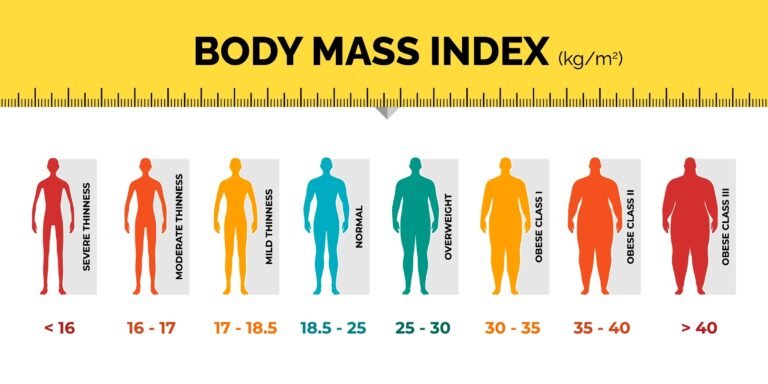
4. BMI Categories (WHO Standard Chart)
The World Health Organization (WHO) defines BMI ranges as follows:
Underweight (Below 18.5)
May indicate poor nutrition, weak immunity, or underlying health issues.
Normal Weight (18.5 – 24.9)
This is the ideal BMI range, associated with good health and lower disease risk.
Overweight (25 – 29.9)
A warning stage indicating possible fat accumulation and health risks.
Obese (30 and above)
Associated with higher risk of serious health conditions such as heart disease and diabetes.
5. Limitations of BMI (Important to Know)
Although BMI is useful, it is not a perfect measurement.
BMI may not be accurate for:
- Athletes & bodybuilders (high muscle mass increases BMI)
- Elderly people (muscle loss affects accuracy)
- Children & teenagers (require age-based percentile charts)
 BMI should always be used with other measurements like waist size and body fat percentage.
6. How to Achieve a Healthy BMI Naturally
If your BMI is outside the healthy range, don’t worry—small lifestyle changes can make a big difference.
 Improve Your Diet
- Eat balanced meals with protein, fiber, and healthy fats
- Reduce sugar and processed foods
- Control calorie intake based on your goal (loss or gain)
Exercise Regularly
Aim for at least 150 minutes of moderate exercise weekly, such as:
- Walking
- Cycling
- Swimming
- Gym workouts
Improve Sleep & Hydration
- Sleep 7–8 hours daily
- Drink enough water for better metabolism and digestion
7. Frequently Asked Questions (FAQs)
 Is BMI accurate for everyone?
No, BMI is a general screening tool and may not reflect muscle mass or body composition.
How often should I check BMI?
Once a month is enough. Daily changes are not meaningful.
Can children use BMI calculators?
Yes, but children require a BMI-for-age percentile chart, not adult categories.
8. Final Thoughts
Your Body Mass Index (BMI) is an excellent starting point for understanding your health. However, it should not be the only factor you rely on.
Use a BMI calculator tool to check your status, then combine it with proper diet, exercise, and medical advice for the best results.
Start today—calculate your BMI and take the first step toward a healthier lifestyle.